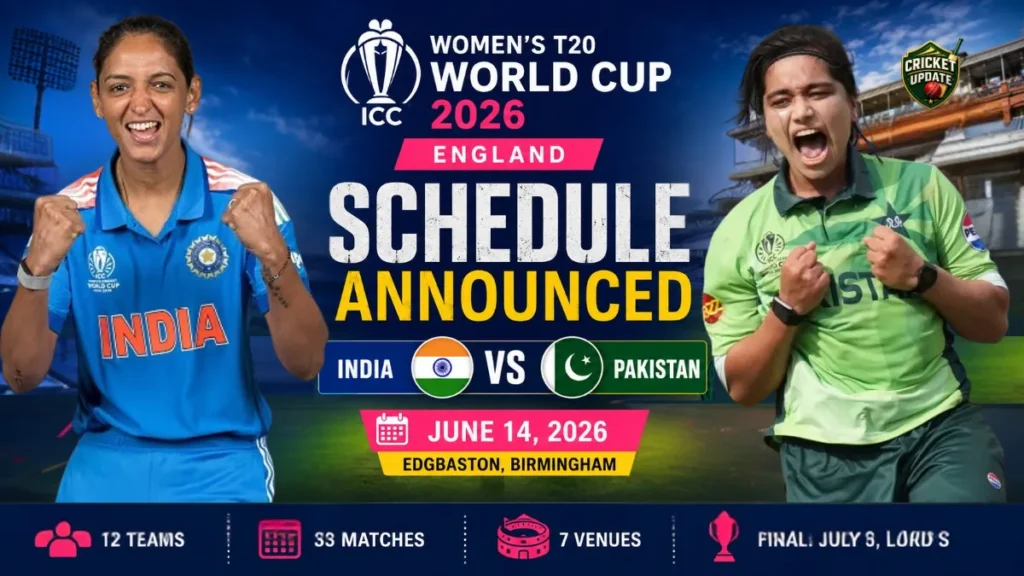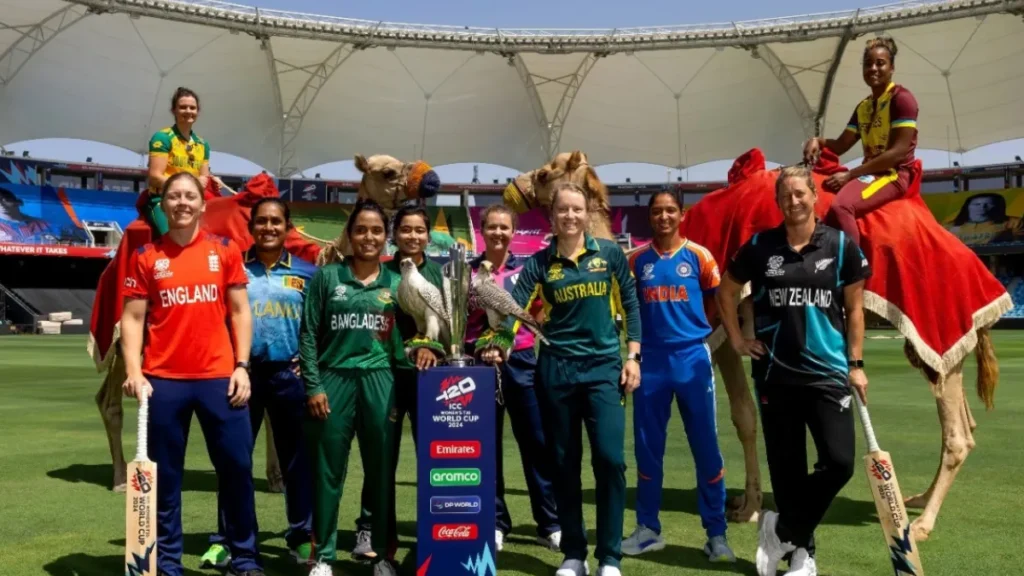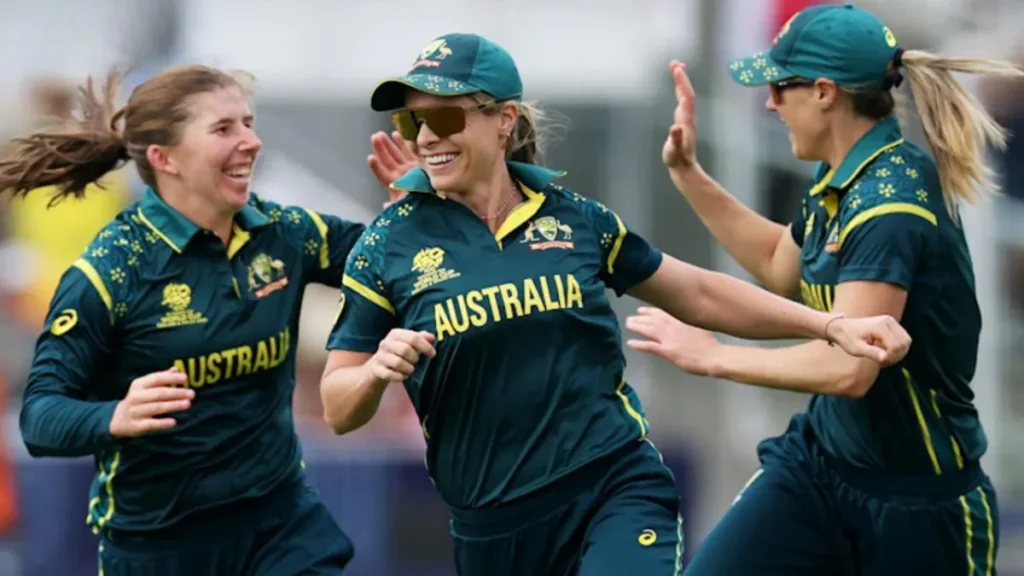
Australia once again proved why they remain the dominant force in women’s cricket, defeating England by seven wickets in the England vs Australia Women’s T20 World Cup 2026 final at the iconic Lord’s Cricket Ground. Chasing a competitive target of 151, Australia completed the run chase with 17 balls to spare, securing a historic seventh Women’s T20 World Cup crown.
A composed batting display led by Beth Mooney, Phoebe Litchfield, Alice Perry, and the rest of Australia’s experienced batting unit ensured that England’s total of 150 for four never looked enough on a batting-friendly evening in London. Despite a fighting unbeaten partnership between England captain Nat Sciver-Brunt and Freya Kemp earlier in the match, Australia once again showcased their championship mentality on the biggest stage.
The victory further extended Australia’s remarkable dominance in women’s global cricket, while England fell short despite an impressive campaign that had seen them win six consecutive matches before the final.
Australia Continue Their Reign at the Top
Australia entered the final as six-time Women’s T20 World Cup champions and lived up to their reputation with another clinical all-round performance.
Having won the toss, Australian captain Sophie Molineux chose to bowl first, believing the fresh Lord’s surface would offer assistance to the pace bowlers early before becoming easier for batting later in the evening. The decision proved correct as Australia’s disciplined bowling attack restricted England for large parts of the innings.
Although England managed a late recovery, Australia’s batters made light work of the chase to add another world title to an already glittering trophy cabinet.
England Recover After Early Collapse
England’s innings never got off to the ideal start.
Openers Amy Jones and Danni Wyatt-Hodge were dismissed cheaply as Australia’s seam attack immediately exploited the movement available under clear skies at Lord’s.
Lucy Hamilton provided the early breakthrough by dismissing Amy Jones with only six runs to her name. Shortly afterwards, Annabel Sutherland removed Danni Wyatt-Hodge after wicketkeeper Beth Mooney completed an excellent diving catch following a successful Australian review.
Despite Wyatt-Hodge becoming the first batter to score 300 runs in a single Women’s T20 World Cup edition during her brief stay at the crease, England struggled to build momentum.
Alice Capsey attempted to counterattack with an aggressive innings that included several boundaries and the first six of the match. However, captain Sophie Molineux struck at a crucial moment by bowling Capsey for 23.
England’s troubles deepened when Kim Garth trapped Heather Knight leg-before wicket after a failed review, reducing the hosts to 70 for four and putting Australia firmly in control.
Nat Sciver-Brunt Leads England’s Fightback
With England under pressure, captain Nat Sciver-Brunt once again demonstrated why she is regarded as one of the world’s finest all-round cricketers.
Showing patience early before accelerating in the final overs, Sciver-Brunt anchored the innings beautifully while Freya Kemp provided valuable support from the other end.
The pair stitched together an unbeaten 80-run partnership for the fifth wicket, changing the complexion of the innings after England had looked in danger of finishing well below 140.
Sciver-Brunt remained unbeaten on 58 from 53 deliveries, mixing sensible strike rotation with timely boundaries whenever Australia relaxed their grip.
Freya Kemp complemented her captain perfectly, scoring an unbeaten 44 off only 28 balls. Her fearless approach during the closing overs helped England collect valuable late runs, including a towering straight six in the final over.
England added 13 runs in the last over to finish with a respectable total of 150 for four after 20 overs.
Australia’s Bowlers Deliver Another Disciplined Performance
Australia’s bowlers executed their plans effectively throughout the innings.
Lucy Hamilton made an immediate impact with the new ball, dismissing Amy Jones and maintaining pressure during the powerplay.
Annabel Sutherland claimed the important wicket of Wyatt-Hodge before returning later to keep England’s middle order under control.
Captain Sophie Molineux once again led from the front, removing the dangerous Alice Capsey while maintaining tight control through her spell.
Kim Garth continued her impressive tournament by dismissing Heather Knight and conceding very few runs. Having begun her international career with Ireland before switching allegiance to Australia, Garth has become one of Australia’s most dependable seam bowlers in major tournaments.
Australia’s attack prevented England from establishing long partnerships until the final overs, a key factor that ultimately proved decisive.
Australia Launch Aggressive Chase
Chasing 151 in a World Cup final can often create scoreboard pressure, but Australia’s top order showed no signs of nerves.
England struck early when Lauren Bell bowled Georgia Voll after the opener inside-edged the ball onto her stumps.
However, that wicket only brought Phoebe Litchfield to the crease, and together with Beth Mooney she immediately shifted the momentum back towards Australia.
The pair attacked England’s bowlers from the outset, ensuring the required run rate never became an issue.
Beth Mooney Sets the Tone
Beth Mooney once again produced an innings worthy of a major final.
The experienced left-hander punished anything loose, particularly targeting Lauren Bell during one over in which she collected three boundaries and 16 runs.
Her ability to rotate strike while also finding regular boundaries allowed Australia to maintain complete control throughout the powerplay.
By the end of the first six overs, Australia had raced to 62 for one, leaving them requiring fewer than 90 runs from the remaining 14 overs.
Mooney’s calm approach provided the ideal platform for the chase.
Phoebe Litchfield Plays Fearless Cricket
Young opener Phoebe Litchfield matched Mooney stroke for stroke with a sparkling innings that kept England’s bowlers under constant pressure.
One of the highlights of the chase came when Litchfield produced a stunning reverse sweep for six off Linsey Smith, a shot that showcased both confidence and remarkable skill on cricket’s biggest stage.
She regularly found the boundary through the off side and punished anything short or overpitched.
Litchfield eventually scored 48 from just 35 deliveries, striking six fours and two sixes before Charlie Dean finally bowled her.
Although she narrowly missed a half-century, her attacking innings had already placed Australia firmly on course for victory.
Mooney and Litchfield Dominate the Middle Overs
The partnership between Beth Mooney and Phoebe Litchfield effectively decided the final.
Australia reached 87 for one after nine overs and then crossed 100 with plenty of overs remaining, leaving England searching desperately for breakthroughs.
Both batters combined controlled aggression with intelligent running between the wickets, ensuring there was never any sustained pressure from England’s bowlers.
Even after Litchfield departed, Australia’s experienced middle order comfortably finished the chase.
Alice Perry Helps Finish the Job
Veteran all-rounder Alice Perry once again demonstrated her value in pressure situations.
Coming to the crease after Litchfield’s dismissal, Perry calmly partnered Mooney before guiding Australia towards the finishing line.
With plenty of wickets in hand and the required rate comfortably under control, Australia completed the chase with three wickets down and 17 balls remaining, sparking celebrations among players and supporters.
England’s Bowlers Unable to Build Pressure
England’s bowlers struggled to consistently challenge Australia’s powerful batting line-up.
Lauren Bell produced the early breakthrough by dismissing Georgia Voll but proved expensive afterwards as Mooney attacked aggressively.
Charlie Dean eventually removed Litchfield, yet by then Australia’s required target had become highly manageable.
England searched for wickets through spin and pace but failed to build sustained scoreboard pressure against Australia’s experienced batting unit.
Lord’s Provides the Perfect Stage
The historic Lord’s Cricket Ground delivered a memorable setting for another Women’s T20 World Cup final.
Clear weather and warm temperatures created excellent conditions for cricket, while a pre-match performance by British singer Rita Ora added to the occasion before the toss, which was delayed slightly because of the entertainment programme.
Former players Ebony Rainford-Brent and Dinesh Karthik had predicted before the match that the fresh surface would initially assist fast bowlers before becoming increasingly comfortable for batting—a prediction that proved accurate over the course of the contest.
Two Historic Records Collided
The final carried additional significance because of two remarkable historical records.
England had previously won every Women’s World Cup final hosted on home soil across both ODI and T20 formats.
Australia, meanwhile, had maintained a perfect record against England in Women’s World Cup finals.
Australia’s latest victory ensured that remarkable dominance over England in ICC finals continued while extending their own incredible legacy in women’s cricket.
Australia’s Winning Formula
Australia’s latest triumph was built on the qualities that have defined the team over the past decade.
The bowling unit shared wickets and maintained disciplined lines.
The fielding remained sharp throughout the innings, highlighted by Mooney’s outstanding catch behind the stumps.
The batting line-up approached the chase with clarity rather than caution, refusing to allow England’s bowlers any opportunity to dictate terms.
Every department contributed, reflecting the depth and balance that have made Australia the benchmark in international women’s cricket.
England Can Take Positives Despite Defeat
Although the result was disappointing for the hosts, England can still reflect positively on their tournament.
Nat Sciver-Brunt once again led by example with the bat, while Freya Kemp announced herself as a dependable finisher under pressure.
The team also demonstrated resilience after slipping to 70 for four, recovering to post what initially looked like a competitive total.
However, against an Australian side that rarely makes mistakes in finals, England ultimately needed additional runs or earlier wickets during the chase.
A Tournament Defined by Australia’s Consistency
Both finalists entered the championship match after winning all six of their previous matches, making the title clash a meeting between the tournament’s two most consistent teams.
Yet when it mattered most, Australia’s experience in major finals made the difference.
From winning the toss and making the right tactical decisions to executing both batting and bowling plans with precision, Australia controlled the contest for long periods.
The victory not only earned them another ICC trophy but also reinforced their position as the most successful team in Women’s T20 World Cup history.
Also read: England Squad India ODI Series: Jofra Archer Returns as Harry Brook Leads 16-Man Squad Against India
England vs Australia Final Score
England: 150/4 in 20 overs
Nat Sciver-Brunt: 58*
Freya Kemp: 44*
Alice Capsey: 23
Australia: 151/3 in 17.1 overs
Beth Mooney: Match-winning innings
Phoebe Litchfield: 48
Alice Perry: Unbeaten finishing contribution
Australia Lift Their Seventh Women’s T20 World Cup Trophy
The England vs Australia final delivered high-quality cricket, individual brilliance and another reminder of Australia’s unmatched consistency in ICC tournaments. England fought back admirably after a difficult start with the bat, but Australia’s composed chase left little room for a comeback.
With their seventh Women’s T20 World Cup title secured at Lord’s, Australia have once again underlined their status as the dominant force in women’s international cricket. Their balanced squad, experienced leadership and ability to perform under pressure continue to set the standard, while England will now turn their attention to rebuilding after another hard-fought but ultimately disappointing defeat in a major final.